på Amino

Joel Savage's Announcements

Antwerp
0  Indlæg
0  Point

Joel Savage finder du også her:
  • 03-09-2026
  • Children shot in Gaza: Why child casualties demand global action

    An image of injured Palestinian children receiving emergency treatment in an overcrowded Gaza hospital, showing trauma, vulnerability, and the urgent need for global protection.


    Children in Gaza are being shot, injured, and killed in a conflict they neither chose nor understand. Hospitals report rising numbers of children with gunshot wounds, many arriving without parents, many treated in chaotic conditions with limited supplies.


    In every war, children are supposed to be protected, yet in Gaza they have become some of the most frequent victims. Their suffering exposes a humanitarian crisis that demands global attention.


    Doctors in Gaza describe scenes of unimaginable trauma: children with bullet injuries to the legs, arms, chest, and head; children undergoing emergency surgery without anesthesia; children crying for parents who may never return.


    Medical teams are overwhelmed, working in damaged hospitals with limited electricity, scarce medicine, and no safe shelter. These wounds are not only physical, they leave deep psychological scars that will shape the rest of these children’s lives.


    International humanitarian organizations, including UNICEF, WHO, and Doctors Without Borders, have repeatedly warned that children in Gaza are being harmed at unprecedented levels.


    They emphasize that children must never be targets, and that shooting children violates international humanitarian law. Yet the violence continues, and the world’s response remains painfully slow.


    The moral question confronting the global community is simple: Why are children being shot, and why is the world failing to protect them? This is not a political debate, it is a human‑rights emergency. Every child, regardless of nationality, religion, or geography, deserves safety, dignity, and the chance to grow without fear.


    For decades, the United States has been one of Israel’s strongest allies, providing military, financial, and diplomatic support. This long‑standing relationship raises a difficult and unavoidable question: What is America’s moral responsibility when children are being shot in Gaza?


    Human‑rights advocates argue that any nation supporting a military power must also uphold accountability, especially when children are harmed. Others insist that geopolitical alliances should not overshadow humanitarian obligations.


    The world cannot ignore the suffering of Gaza’s children. Their injuries, trauma, and deaths are not statistics, they are human lives cut short or forever changed. Protecting children must be a universal priority, and silence in the face of their suffering is a failure of global conscience.


    Why shooting children is a crime, and what must be done


    Shooting children is a crime because international humanitarian law explicitly protects them. The Geneva Conventions classify the targeting of children as a grave breach, and the Convention on the Rights of the Child affirms that every child has the right to life, protection, and security.


    Children are civilians. They are not combatants. They cannot defend themselves. Any act of violence against them is a violation of human rights and a crime under international law. Impunity for harming children creates a dangerous precedent: it signals that the world is willing to tolerate the killing of the most vulnerable.


    When children are shot without accountability, humanity itself is diminished. The international community must demand independent investigations, enforce accountability mechanisms, and ensure that those responsible for harming children face justice.


    Nations that provide military support must insist on strict adherence to international law. Humanitarian corridors must be protected, hospitals must not be attacked, and children must be shielded from violence at all costs.


    Protecting children is not optional; it is a moral obligation. Ending impunity is the first step toward ending the cycle of violence. The world must act now, because every child’s life is precious, and every child deserves a future free from fear.

  • 29-08-2026
  • Why we miss the past: Nostalgia, memory and the life we left behind

    A soft, nostalgic image of old handwritten letters, vintage photographs, cassette tapes, and childhood toys arranged on a wooden table, bringing memories and the beauty of the past.


    There are moments when the past feels closer than the present; a scent, a song, a photograph, or a quiet Sunday afternoon can pull us back into a world that once felt simple, warm, and beautifully human.


    Nostalgia is not just memory; it is emotion, identity, and the longing for a time when life moved slower and connections felt deeper. As the world becomes faster, louder, and more digital, many people find themselves missing the small, ordinary things that once shaped their lives.


    You may also like to read: When a Bonanza star died: The childhood shock that stayed with me

    https://juskosave.blogspot.com/2026/02/when-bonanza-star-died-childhood-shock.html


    Handwritten letters were once the heartbeat of communication. The excitement of seeing your name on an envelope, the familiar handwriting, the anticipation of opening it, these moments carried a kind of intimacy that digital messages can never replace.


    Old photographs, faded and slightly torn at the edges, remind us of childhood smiles, family gatherings, and friendships that shaped who we are. They capture emotions that no smartphone filter can recreate.


    Childhood games brought joy without screens or apps. We played in open fields, on dusty streets, and in neighborhoods where everyone knew each other. Vinyl records and cassette tapes offered a different kind of music experience, one that required patience, care, and appreciation.


    The crackle of a record or the click of a cassette was part of the magic, a reminder that music was once something touched, not just streamed. Traditional markets were full of life, color, and human connection. The smell of spices, the sound of bargaining, the laughter of traders, these were experiences that shaped our communities.


    Street food was not just food; it was culture, identity, and comfort. Family gatherings brought generations together, creating memories that still warm our hearts today. Old cinemas offered a sense of wonder, where watching a film felt like entering another world, not just clicking a button on a streaming app.


    Another interesting related article: Pippi Longstocking: From childhood icon to timeless cultural legend

    https://juskosave.blogspot.com/2013/02/pippi-longstockings-beautiful-chapters.html


    Newspapers and magazines were once our window to the world. The rustle of paper, the smell of fresh print, and the ritual of reading every page made information feel personal. Traveling without smartphones meant discovering places with curiosity, asking strangers for directions, and getting lost in the beauty of the unknown.


    Neighborhood friendships were built on trust, shared meals, and long conversations, not on social media likes. Sunday afternoons carried a special kind of peace. They were slow, gentle, and filled with rest. Childhood toys were treasures that sparked imagination, not just entertainment.


    Perhaps one of the most beautiful memories of all was the excitement of receiving a physical letter, a moment that made you feel seen, valued, and connected. We miss the past not because life was perfect, but because it was human. It was filled with touch, presence, and real connection.


    Read more interesting child memories articles: The pride of our generation as obedient children

    https://juskosave.blogspot.com/2016/04/the-pride-of-our-generation-as-obedient.html


    Nostalgia reminds us that the things we cherish most are often the simplest: time with loved ones, handwritten words, shared meals, familiar streets, and the innocence of childhood. In remembering the past, we rediscover the parts of ourselves that the modern world sometimes makes us forget.


  • 27-08-2026
  • Climate change reshapes global power, wealth, energy and security now!

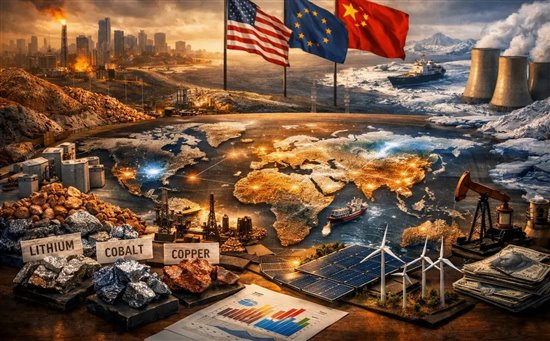
    A photo showing global maps, energy infrastructure and mineral resources, demonstrating how climate change is reshaping power, wealth and security worldwide.


    Climate change is no longer just an environmental challenge managed by climate ministries and international conferences. It has become a geopolitical force that is reshaping global power, wealth, energy systems and national security.


    The real question confronting governments today is not simply how to reduce emissions, but who will control the resources, technologies and infrastructure needed to survive and prosper in a warming world. The energy transition is already influencing trade, industrial policy, military strategy and international competition.


    One of the most dramatic shifts is the rise of critical minerals as strategic assets. Lithium, cobalt, nickel, copper, graphite and rare earth elements now underpin batteries, electric vehicles, renewable‑energy systems and digital technologies. These minerals are becoming as important to the 21st century as oil was to the 20th.


    This raises a powerful question: Will traditional oil‑and‑gas powers remain dominant, or will countries controlling critical minerals and green technology become the new global leaders? Analysts increasingly describe the global race for critical minerals as a new geopolitical competition.


    Africa sits at the center of this emerging struggle. The continent holds enormous quantities of minerals required for the global energy transition. Yet historically, African nations have exported raw materials while importing finished products, a model that enriches others while limiting local industrial development.


    The key question is whether Africa will repeat this old pattern or finally transform its natural wealth into industrial power. The answer will determine whether Africa becomes one of the biggest winners or one of the biggest losers in the new climate‑driven global order.


    Meanwhile, China, the United States and Europe are locked in a fierce competition for leadership in the green economy. They are racing to control batteries, electric vehicles, solar manufacturing, critical minerals, electricity grids, artificial intelligence for energy management, green hydrogen and advanced nuclear technology.


    The energy transition is no longer just about climate goals, it is about industrial dominance, technological superiority and geopolitical influence. Climate change is also redefining the meaning of energy security, as for decades, energy security meant access to oil and gas.


    Today, it includes electricity, batteries, minerals, renewable technology, storage and resilient grids. A 2026 report notes that energy security and affordability are increasingly taking priority in global policy, while the 1.5°C target is becoming harder to achieve.


    Nations are preparing for a future where energy systems must withstand extreme weather, cyber threats and geopolitical shocks. The Arctic is emerging as a new geopolitical battleground, as sea ice retreats, previously inaccessible shipping routes are opening, creating new opportunities for trade, resource extraction and military positioning.


    A 2026 study highlights how climate‑induced Arctic Sea‑ice retreat is increasing the strategic importance of the Northern Sea Route, drawing interest from major powers seeking influence in the region.


    Greenland offers another striking example of climate and geopolitics colliding. Melting ice is exposing mineral resources, altering shipping routes and increasing the island’s strategic value. Analysts describe Greenland as an “eco‑geopolitical frontier,” where environmental change intersects with national security, resource competition and global power dynamics.


    The world’s oceans are also becoming strategic territory, while climate change is altering fisheries, shipping routes, coastal economies and access to marine resources. Since oceans carry roughly 90% of global trade, their changing conditions have enormous geopolitical implications.


    Nations are increasingly viewing the oceans not just as ecological spaces, but as arenas of economic and strategic competition. Small island nations, despite contributing little to global emissions, face some of the greatest climate risks.


    Their vulnerability raises uncomfortable questions about climate justice: Why should countries with the least historical responsibility bear the greatest consequences? This leads directly into debates about international finance, adaptation funding and the unequal distribution of power in global climate negotiations.


    Climate migration is another force reshaping global politics. Rising temperatures, drought, flooding, food insecurity and coastal erosion are influencing where people live and how societies function. Climate change is affecting borders, urbanization, employment, food prices, political stability and international aid.


    It is becoming not just an environmental issue, but a human‑security issue with far‑reaching consequences. At the heart of all these changes lies the question of climate justice.


    Developing countries argue that wealthy industrialized nations built enormous wealth through fossil‑fuel development, while poorer nations are now being asked to decarbonize under far more difficult economic conditions.


    This tension is central to the future of global cooperation and the legitimacy of international climate policy. The climate transition is creating a new economic and geopolitical map of the world.


    The next global power struggle may not be fought only over oil fields or military territory. It may increasingly be fought over minerals, electricity, technology, water, shipping routes and the ability to adapt to climate change.


    The countries that control energy, minerals, technology, manufacturing, finance and infrastructure will have disproportionate influence over the next global order. Climate change is not just reshaping the planet, it is reshaping power itself.

  • 25-08-2026
  • Gaza’s children & mothers: Amputations, unsafe births, and the silent global failure

    Photo: A scene showing amputee Palestinian children and a sad pregnant woman in Gaza receiving limited medical care amid rubble and global neglect.


    Gaza today stands as one of the most dangerous places in the world for children and pregnant women, with two overlapping humanitarian catastrophes unfolding simultaneously.


    On one side, hundreds of children have lost limbs in the conflict, and on the other, pregnant women face life‑threatening conditions due to the collapse of the healthcare system, severe malnutrition, and relentless bombardment.


    Together, these crises paint a devastating picture of a population struggling to survive under unimaginable circumstances. Gaza hosts the largest group of child amputees in modern history, with estimates ranging from 3,000 to over 4,000 children who have lost one or more limbs since October 2023.


    You may also like to read: Hunger, starvation and death in the Gaza Strip

    https://juskosave.blogspot.com/2025/07/humanity-crisis-hunger-starvation-and.html


    This staggering figure represents nearly a quarter of all amputees in the territory, making Gaza’s per‑capita rate of child limb loss the highest in the world.


    The collapse of the healthcare system and severe shortages of medical supplies have forced doctors to perform amputations without anesthesia, in unsanitary conditions, and often with improvised tools. Many of these surgeries could have been avoided if antibiotics, clean instruments, or proper facilities were available.


    More than ten children lose a limb every day, leaving deep physical and emotional scars. For survivors, the suffering continues long after the operation. Rehabilitation services are virtually nonexistent, and prosthetic limbs cannot be manufactured due to the blockade and lack of raw materials.


    Thousands of children remain without crutches, wheelchairs, or artificial limbs, condemned to immobility, chronic pain, and isolation. Many experience depression, anxiety, and trauma, unable to attend school or move safely through rubble‑strewn camps. Families face impossible choices between seeking medical help and staying safe from bombardment, while international aid remains slow and fragmented.


    At the same time, Palestinian pregnant women in Gaza face life‑threatening risks that have intensified dramatically. As of August 2026, approximately 50,000 women are pregnant in the enclave, with miscarriage rates more than tripling compared to late 2025.


    Related article: Why Al Jazeera journalists are being killed

    https://juskosave.blogspot.com/2026/05/why-al-jazeera-journalists-are-being.html


    Extreme stress, shock, malnutrition, and the near‑total collapse of medical care have created conditions where pregnancy itself has become perilous. Only a fraction of hospitals remain partially functional, forcing many women to give birth in tents, ruins, or overcrowded shelters without midwives or anesthesia.


    Doctors report credible cases of women undergoing C‑sections without anesthesia, and premature babies are sometimes placed five at a time in a single incubator, drastically reducing survival rates, and malnutrition has become one of the most severe threats.


    Over 155,000 pregnant and breastfeeding women face acute food insecurity, leading to spikes in low birth weight, stillbirths, and life‑threatening complications. The blockade has left women without access to protein, vitamins, or clean water, making safe pregnancy nearly impossible.


    In Israeli prisons such as Damon Prison, pregnant Palestinian women endure overcrowding, sleeping on floors, and limited access to medical care or nutritious food, placing both mother and child at extreme risk, while the world’s silence remains deafening.


    If such suffering were inflicted upon Israeli children or mothers, global outrage would be immediate and overwhelming. Yet Palestinian children and women endure these horrors largely unseen, their pain buried beneath political debates and shifting headlines. The question persists: how long will the world watch without acting?


    More related article: The uncertain future of the Palestinian children

    https://juskosave.blogspot.com/2026/04/the-future-of-palestinian-children.html


    Gaza’s amputee children and pregnant women represent a humanitarian emergency that transcends politics. Their suffering demands compassion, medical support, and global accountability. Every lost limb, every unsafe birth, and every preventable death is a reminder of the world’s failure to protect its most vulnerable. Silence is complicity; action is humanity.

  • 21-08-2026
  • George William Gordon: The Martyr who challenged colonial injustice

    An illustration of the George William Gordon monument in Jamaica.


    Many things inspire writers, and it is always fascinating when they share the source of that inspiration. For me, music has long been one of the strongest forces behind my pen. Listening to Billy Joel’s “Honesty” once pushed me to write the article, “Honesty is mostly what I need from you – Billy Joel.”

    https://juskosave.blogspot.com/2025/07/honesty-is-mostly-what-i-need-from-you.html


    The same happened with Joseph Hill of Culture, Anthony B, and Lucky Dube; their lyrics carried messages so powerful that I felt compelled to write articles about their reflections. Music, especially conscious reggae, has a way of awakening the spirit and directing the mind toward truth.


    History repeated itself recently when I was listening to Joseph Hill’s song “Innocent Blood” from the album Cumbolo. In the song, Hill recounts a moment after slavery when the people of Jamaica were suffering from pox. He sang that George William Gordon, then Justice of the Peace at Morant Bay, sent doctors and friends abroad to help the afflicted.


    According to Hill, Gordon’s compassion and leadership were so effective that he became a threat to the colonial establishment, and for that, he was arrested and hanged. Hill concluded with a striking reminder: “If you think I am lying, take a look upon the $10 bill.” Indeed, George William Gordon’s face appeared on Jamaica’s $10 bill, both on the banknote and on the $10 coin.


    I had listened to this song countless times since the eighties, but this time, something stirred deeper. I felt compelled to look into the background of the man Joseph Hill called by name, the man whose face appears on Jamaica’s ten‑dollar note. That curiosity led me to rediscover one of the most significant figures in Caribbean history: George William Gordon.


    Listening to Lucky Dube’s lyrics inspired me to write all the articles about him, including this one: Daddy, wherever you are, remember me

    https://juskosave.blogspot.com/2016/06/daddy-wher-ever-you-are-remember-me.html


    Born around 1820 to a Scottish planter and an enslaved African woman, Gordon’s life began in the shadows of inequality. Yet he refused to be defined by the limitations imposed on him. Self‑educated, he became a successful merchant, landowner, and eventually a member of the Jamaican House of Assembly.


    What made Gordon exceptional was not his rise from hardship, but his unwavering commitment to the poor Black population of Jamaica. He spoke boldly against corruption, land exploitation, and the oppressive policies of Governor Edward Eyre, whose administration was notorious for its cruelty.


    However, Gordon’s advocacy made him a target. When the Morant Bay Rebellion erupted in 1865, a desperate uprising fueled by poverty, injustice, and decades of colonial brutality, Eyre seized the opportunity to silence his critics. Although Gordon was nowhere near the rebellion, he was arrested, transported under martial law, and subjected to a sham trial.


    Within hours, he was sentenced to death and executed. His wrongful hanging sparked outrage across Britain and the Caribbean, igniting debates about colonial governance and human rights. Today, George William Gordon is honored as one of Jamaica’s National Heroes, recognized for his courage, integrity, and sacrifice.


    Another musician whose music inspired me to write about him is Bob Marley: The mind of a prophet: Bob Marley's wisdom in music

    https://juskosave.blogspot.com/2016/05/understanding-background-of-wisdom-of.html


    His legacy stands as a reminder that speaking truth to power often comes at a heavy price. Yet it is precisely that courage that shapes nations and inspires generations. Joseph Hill’s lyrics opened the door, but Gordon’s life story kept me inside.


    His compassion during the pox outbreak, his fearless criticism of injustice, and his tragic death reveal a man who lived not for himself, but for the people. His story is not just Jamaican history, but also a universal lesson about leadership, sacrifice, and the eternal struggle for justice.


     In a world still wrestling with inequality, Gordon’s life urges us to ask: What does it mean to stand for truth when truth is dangerous? His answer was simple, and costly. However, it is because of men like him that societies evolve, consciences awaken, and oppressed people find hope.


    “Joseph Hill, lead singer of Culture, delivers the powerful tune ‘Innocent Blood’, unveiling the poignant history of George William Gordon.”

    https://www.youtube.com/watch?v=NWqdj4I5RU8&list=RDNWqdj4I5RU8&start_radio=1


    George William Gordon’s legacy is a torch passed from one generation to the next. It reminds us that even in the darkest systems, one courageous voice can illuminate the path toward justice.

  • 18-08-2026
  • Why Ebola deserves our urgent attention now

    Photo: A health worker in protective gear standing calmly near an isolation area, ensuring global vigilance toward Ebola outbreaks.


    A call for calm, serious questions about Ebola’s re‑emergence


    Ebola has resurfaced once again in the Democratic Republic of Congo, reminding the world that infectious diseases do not disappear simply because global attention shifts elsewhere. This new outbreak is not a moment for fear or blame, but a moment for thoughtful reflection.


    As humanity faces global conflict, environmental instability, and unpredictable health emergencies, we must approach Ebola with seriousness, clarity, and responsibility. The world responded urgently when COVID‑19 struck, because the virus crossed borders and affected every continent.


    Yet Ebola, which has repeatedly devastated communities in Africa, often receives limited global concern unless it threatens high‑income nations. This imbalance raises an important question: Shouldn’t global health vigilance apply equally to all outbreaks, regardless of where they begin?


    Ebola is not just an African issue; it is a human issue. The virus has shown the ability to reappear unexpectedly, survive in survivors’ bodies, and spread silently in regions with fragile health systems.


    These realities make it necessary for global health institutions, including the CDC, WHO, and international partners, to maintain consistent monitoring, transparent communication, and proactive preparedness.


    This is not a criticism; it is a call for clarity. People around the world deserve to understand how emerging outbreaks are tracked, how risks are assessed, and how early interventions are planned. When Ebola resurfaces, even in remote areas, it should prompt coordinated global attention, not only regional concern.


    Advanced countries should not wait until a case appears in America, Britain, New Zealand, Belgium, the Netherlands, Australia, or Canada before responding with urgency. The world has learned from COVID‑19 that delayed action can have devastating consequences.


    We have also learned that humanity is interconnected; a health crisis in one region can quickly become a global challenge. Therefore, asking questions is not provocation; it is responsibility. What systems are in place to detect early Ebola spread? How are communities supported to prevent transmission?


    What lessons from past outbreaks are being applied today? Ebola’s re‑emergence is an opportunity for global health institutions to reaffirm their commitment to transparency, preparedness, and equitable concern. It is also an opportunity for the world to recognize that every life, regardless of geography, deserves protection.


    We must approach this moment not with fear, but with thoughtful vigilance, the kind that strengthens global health security for all. Humanity cannot afford selective attention. Whether a disease emerges in Africa, Asia, Europe, or the Americas, the response should be guided by compassion, science, and proactive planning.


    This is the time for calm, intelligent dialogue and for the world to stand together to safeguard the future of global health. Ebola’s re-emergence in Congo demands calm, serious questions for global health institutions. The world must act proactively, not reactively, to protect humanity.


    Read more Ebola-related articles: 👉https://juskosave.blogspot.com/search/label/HEALTH


  • 16-08-2026
  • How Japan fell in love with reggae: The rise of J‑reggae culture

    A photo of Japanese reggae fans enjoying a live outdoor performance, featuring sound system speakers, vibrant colors, and cultural fusion between Jamaica and Japan.


    Reggae’s journey into Japan is one of the most fascinating cultural crossings of the modern era. It is a story of rhythm meeting discipline, island soul blending with urban precision, and a rebel spirit finding a home in a society known for harmony and structure.


    While reggae was born in Jamaica’s struggles and spiritual resilience, Japan embraced it with a passion so deep that the country now hosts one of the world’s most vibrant reggae communities. Japan’s connection to reggae began quietly in the mid‑1970s.


    When The Harder They Come reached Japanese audiences, it introduced not only the sound of reggae but the attitude behind it: defiance, hope, and the fight for dignity. The film became a cult classic among young Japanese searching for authenticity during a period of rapid economic growth and social conformity.


    Reggae offered something Japan didn’t have: a raw, emotional language of resistance. Everything changed in 1979 when Bob Marley arrived in Japan. His tour was more than a musical event; it was a cultural awakening. Marley’s presence captivated audiences who saw in him a rare combination of humility and revolutionary fire.


    You may also like to read:👉Reggae's global awakening: How Jamaica's rebel sound became a voice for humanity - https://juskosave.blogspot.com/2026/06/reggaes-global-awakening-how-jamaicas.html


    His message of “one love” resonated deeply in a country where community harmony is a core value, while his rebel spirit appealed to youth who felt constrained by rigid expectations. Marley’s visit planted seeds that would grow into a nationwide movement.


    By the 1980s and 1990s, reggae had taken root in Japan in a way few expected. Sound system culture exploded, with Japanese crews building massive speaker stacks and mastering the art of dancehall clashes.


    Today, Japan has over 300 active sound systems, more than Jamaica itself, a testament to the country’s dedication and craftsmanship. Reggae became not just music but a lifestyle, influencing fashion, street culture, and nightlife.


    This evolution gave birth to J‑Reggae, a uniquely Japanese interpretation of Jamaican rhythm. Artists like Mighty Crown, Pushim, Rankin Taxi, Home Grown, and ASOUND blended patois with Japanese lyrics, creating a sound that felt both global and local.


    Related article:👉Understanding the background of the wisdom of Bob Marley

    https://juskosave.blogspot.com/2016/05/understanding-background-of-wisdom-of.html


    Mighty Crown, in particular, became a world champion sound system, proving that Japanese selectors could stand shoulder‑to‑shoulder with Jamaica’s finest. Japan’s reggae scene is also fueled by its deep respect for tradition.


    Vinyl collectors treat reggae records like sacred artifacts, hunting for rare pressings in Tokyo’s Shibuya and Osaka’s underground shops. Festivals such as Yokohama Reggae Sai and Green Massive draw thousands, celebrating unity, peace, and cultural exchange.


    Dancehall communities thrive in cities across the country, where dancers train with discipline that mirrors martial arts: precision, repetition, and devotion. What makes Japan’s love for reggae so enduring is its sincerity.


    Japanese fans do not imitate Jamaican culture; they study it, honor it, and reinterpret it with respect. Reggae’s themes- justice, spirituality, resilience, and community- align naturally with Japanese values. In a society that often suppresses emotional expression, reggae provides a safe space to release joy, pain, and freedom.


    Today, Japan stands as the second‑largest reggae nation in the world, a place where Jamaican artists feel celebrated and understood. The connection between the two islands, one in the Caribbean and one in East Asia, is a reminder that music travels where the human heart recognizes truth.


    You may also like to read:👉The exotic performance of Lucky Dube

    https://juskosave.blogspot.com/2004/12/the-exotic-performance-of-lucky-dube.html


    Reggae found a home in Japan not by accident, but because its message speaks to something universal: the desire to live with meaning, courage, and unity. Japan didn’t just fall in love with reggae; the country made reggae its own.

  • 14-08-2026
  • From sacred guardians to modern myths: How cats shaped human culture

    Photo: 

    A calm domestic cat sitting near a window, symbolizing the historical and cultural evolution of cats from ancient reverence to modern companionship.


    Cats occupy a unique place in human history, standing at the crossroads of mythology, science, superstition, and companionship. While dogs are celebrated for loyalty, horses for strength, and birds for freedom, cats have always represented something more mysterious, a blend of independence, intuition, and quiet guardianship.


    Their story stretches across millennia, revealing how human perception has shifted dramatically from sacred reverence to modern misunderstanding. In Ancient Egypt, cats were not merely pets; they were protectors of the household and symbols of divine grace. Families believed cats carried spiritual energy capable of warding off evil.


    When a beloved cat died, households shaved their eyebrows as a sign of mourning, and many cats were mummified with the same respect given to humans. The goddess Bastet, depicted with a feline head, embodied protection, fertility, and the warmth of home. To harm a cat was considered a crime against the gods themselves.


    You may also like to read:👉A comprehensive guide on training your puppy from biting

    https://juskosave.blogspot.com/2025/07/a-comprehensive-guide-on-training-your.html


    This level of reverence shows how deeply cats were woven into the spiritual and cultural fabric of Egyptian life. As centuries passed, cats traveled across continents, carried on ships to control rodents and protect food supplies. Their usefulness made them indispensable, but their mysterious nature also made them targets of superstition.


    In medieval Europe, cats, especially black ones, became associated with witchcraft. Their nocturnal habits and reflective eyes fueled myths that they were companions of witches or shape-shifting spirits. This fear led to mass killings of cats, which ironically contributed to the spread of the plague due to uncontrolled rat populations.


    History shows that misunderstanding cats has had real consequences. Today, remnants of those old superstitions still linger. The “black cat bias” remains one of the most persistent adoption challenges in shelters worldwide. Black cats are often overlooked due to outdated beliefs, aesthetic bias, or the misconception that they are less photogenic.


    Yet studies show black cats are among the most affectionate and intelligent, disproving the myths that have followed them for centuries. This contrast between ancient reverence and modern bias reveals how cultural narratives can shape the fate of an entire animal group.


    Beyond superstition, cats are remarkable creatures with complex emotional and cognitive abilities. They communicate through subtle body language, slow blinking, tail movements, and gentle head bumps. Their independence is often misunderstood as aloofness, but research shows cats form deep bonds with humans, recognizing voices, routines, and emotional states.


    They are capable of empathy, often sitting close to people who are sad or unwell. Their quiet companionship offers a different kind of comfort, one rooted in presence rather than performance. Cats also play a significant role in modern mental wellness.


    Related article:👉Birds of wonder: Color, ornament, range & the global conservation paradox

    https://juskosave.blogspot.com/2026/07/birds-of-wonder-color-ornament-range.html


    Their rhythmic purring has been shown to reduce stress, lower blood pressure, and promote healing through vibrational frequencies. Many people find solace in the calm, meditative nature of cats, whose behavior encourages mindfulness and emotional grounding.


    In a fast-paced world, cats remind us to slow down, observe, and appreciate small moments of peace. Culturally, cats continue to inspire art, literature, and digital media. From ancient hieroglyphs to modern memes, their image remains iconic. They symbolize independence, mystery, resilience, and quiet strength.


    Their ability to adapt, from desert temples to urban apartments, reflects a survival story intertwined with human evolution. The journey of cats from sacred guardians to misunderstood companions is a powerful reminder of how human beliefs shape the lives of animals.


    As society becomes more informed, there is a growing movement to challenge old biases, protect feline welfare, and restore the respect cats once commanded. Their story is not just about animals; it is about humanity’s evolving relationship with nature, symbolism, and emotional connection.


    Cats have walked beside us for thousands of years, not as servants or symbols of fear, but as silent witnesses to our history. Understanding their past helps us appreciate their present and ensures their future is shaped by compassion rather than superstition.


  • 13-08-2026
  • Motherhood and the support of the husband in a happy home

    Photo: A mother and father sharing childcare responsibilities at home, symbolizing emotional support, teamwork, and a balanced family environment.


    Mutual support forms the backbone of a peaceful and thriving family. In a home where both partners actively contribute, a mother’s nurturing presence is strengthened by a husband who participates with intention and care.


    A supportive wife offers emotional grounding and encouragement, while a supportive husband lightens the mental and physical demands of parenting. When both roles complement each other, resentment fades, appreciation grows, and the home becomes a place of joy rather than exhaustion.


    The Critical Impact on Maternal Mental Health


    You may also like to read:👉Why marriages fail and how to prevent divorce

    https://juskosave.blogspot.com/2011/06/marriage-today-separation-or-divorce.html


    A husband’s involvement is one of the strongest protective factors for maternal mental well‑being. Studies consistently show that emotional reassurance, practical help, and shared decision‑making significantly lower the risk of postpartum depression, sometimes by more than half.


    When husbands acknowledge their wives’ feelings, step into household duties, and share the invisible “mental load,” they create a buffer against stress. This support helps mothers adapt to new responsibilities with greater confidence and emotional stability.


    In contrast, when mothers feel isolated or overwhelmed, the likelihood of postpartum sadness or depression increases, affecting both their health and the child’s early development.


    Direct benefits of father involvement for children


    A father’s active participation in daily routines has measurable benefits for children. Simple acts, such as handling nighttime feedings, changing diapers, preparing breakfast, or organizing school bags, give mothers essential rest and strengthen the father‑child bond.


    Children raised with engaged fathers often show stronger academic performance, better emotional regulation, and higher self‑esteem. Research also highlights improvements in verbal and math skills, fewer behavioral issues, and greater social confidence.


    Related article:👉Changing lives: The power of mental health advocacy

    https://juskosave.blogspot.com/2026/05/changing-lives-power-of-mental-health.html


    Fathers tend to encourage independence, problem‑solving, and resilience, offering a complementary style of guidance that enriches the child’s overall development.


    Strategies for effective co‑parenting and shared labor


    Healthy co‑parenting requires open communication and a shared commitment to fairness. Couples thrive when they operate as a team rather than keeping score. Effective approaches include:


    Listing Responsibilities:

    Creating a detailed list of all household and childcare tasks helps reveal hidden workloads and encourages balanced distribution.

    Playing to Strengths: 

    Assigning tasks based on personal strengths, schedules, and preferences, rather than traditional gender expectations, promotes efficiency and harmony.


    The “Fair Play” Method:

    Giving each partner full ownership of specific areas, such as school communication or meal planning, reduces mental overload and prevents confusion.

    Regular Check‑ins:

    Weekly discussions allow couples to adjust responsibilities as children grow and circumstances change, preventing burnout and misunderstandings.


    The role of emotional intimacy in family stability


    Emotional intimacy is the quiet force that keeps families united. It involves creating a safe environment where both partners can express fears, hopes, and frustrations without judgment. This closeness builds trust, empathy, and resilience, qualities that help couples navigate the pressures of parenting without drifting apart.


    Research shows that emotional and physical intimacy are key predictors of marital stability, associated with lower divorce rates and better health outcomes. Children who witness a loving, respectful partnership learn essential lessons about communication, emotional regulation, and healthy relationships.


    Conclusion: A unified front for a thriving home


    Mothers flourish when husbands act as true partners, anticipating needs, offering comfort, and sharing responsibilities without waiting to be asked. At the same time, husbands thrive when wives provide encouragement, companionship, and recognition of their efforts as fathers and providers.


    You may also like to read:👉How can pensioners maintain a happy life after retiring?

    https://juskosave.blogspot.com/2025/11/how-can-pensioners-maintain-happy-life.html


    Together, these elements create a resilient marriage where motherhood is supported, celebrated, and never carried alone. By embracing shared responsibility, open communication, and emotional closeness, couples build a stable, loving environment where every member of the family can grow and thrive.

  • 12-08-2026
  • Chronic waist pain from long sitting: Hidden risks and natural relief tips

    A writer sitting at a desk holding his lower back in discomfort, showing the impact of long sitting on waist and spine health.


    Waist pain has become one of the most common health challenges for people who spend long hours seated, especially writers, office workers, and digital creators. Even individuals who are otherwise strong, active, and rarely fall sick can experience persistent lower‑back discomfort simply because the spine is forced into the same position for too long.


    For writers, whose creativity often demands deep focus and extended sitting, this pain becomes a daily companion that gradually affects productivity and emotional well‑being. Long sitting places continuous pressure on the lumbar spine. The lower back muscles tighten, blood circulation slows, and the hip flexors shorten.


    You may also like to read this:👉10 Everyday habits that quietly damage your health

    https://juskosave.blogspot.com/2026/03/10-everyday-habits-that-quietly-damage.html


    Over time, these changes create an unhealthy chain reaction. What begins as mild discomfort can slowly develop into chronic stiffness, reduced flexibility, or difficulty bending. If ignored, waist pain may progress into nerve irritation, sleep disturbances, or mobility limitations.


    For older adults, especially those approaching 70 and beyond, untreated lower‑back pain increases the risk of long‑term spinal degeneration. The psychological impact is equally significant. Pain distracts the mind, reduces concentration, and steals the joy from writing.


    Many people try to endure it, believing it is a normal part of aging or creative work. Others rely on painkillers, which may offer temporary relief but do not solve the underlying problem. Living on medication is not a sustainable solution, and many prefer natural approaches that support healing rather than masking symptoms.


    Fortunately, waist pain caused by long sitting is often manageable with simple, consistent lifestyle adjustments. These changes not only reduce discomfort but also protect long‑term spinal health. Below are the most effective non‑medical strategies that many people use to restore comfort and improve daily well‑being.


    Recommended Natural Healing


    1. Improve Sitting Posture


    A chair with proper lumbar support or a small cushion behind the lower back helps maintain the spine’s natural curve. Keep your feet flat on the floor and raise your screen to eye level to avoid leaning forward.


    2. Adopt a Healthy Sitting Rhythm


    Avoid sitting for long stretches. A helpful pattern is:


    Sit for 30–40 minutes


    Stand or walk for 2–3 minutes


    Stretch briefly


    Repeating this throughout the day prevents the spine from locking.


    3. Gentle Daily Stretches


    These movements restore flexibility and reduce tension:


    Knee‑to‑chest stretch


    Cat–cow movement


    Child’s pose

    Hip‑flexor stretch


    Piriformis stretch


    Doing these for 5–10 minutes in the morning and evening can significantly reduce pain.


    4. Strengthen Core Muscles 


    A strong core supports the spine and reduces pressure on the lower back. Gentle exercises include:


    Pelvic tilts


    Bird‑dog


    Glute bridges


    Light side planks


    These are low‑impact and suitable for any age.


    5. Natural Remedies for Comfort


    Many people use these non‑medical options:


    Heat therapy to relax tight muscles


    Cold therapy for sharp or inflamed pain


    Turmeric and ginger for natural anti‑inflammatory support


    Magnesium‑rich foods such as spinach, almonds, and bananas


    Arnica gel for soothing muscle soreness


    These methods do not replace medical care but can reduce discomfort and support healing.


    6. When to see a doctor


    Although many prefer natural solutions, certain symptoms require professional evaluation. Seek medical advice if:


    Pain spreads to the legs


    Numbness or tingling occurs


    Pain becomes constant or severe


    Movement or sleep is affected


    A doctor can help rule out issues such as nerve compression or arthritis. Consulting a healthcare professional does not mean relying on painkillers; it simply ensures that your spine is protected.


    Related article:👉Staying healthy: The dangers of eating out

    https://juskosave.blogspot.com/2016/02/staying-healthy-dangers-of-eating-out.html


    Conclusion


    Waist pain from long sitting is more than a minor inconvenience; it is a sign that the body needs care. Writers and long‑hour sitters can protect their health through posture correction, regular movement, stretching, core strengthening, and natural remedies.


    These steps reduce pain, improve comfort, and support long‑term well‑being. And when symptoms become persistent or concerning, seeking medical evaluation ensures that the problem is addressed safely and effectively.


  • 11-08-2026
  • Japan’s living balance: Politeness, harmony, tradition and modern identity

    Photo: A calm Japanese street scene showing polite interactions, traditional aesthetics, and modern life blending seamlessly.


    Japan’s cultural identity is shaped by a quiet strength that flows through everyday life, expressed most clearly in its deep sense of politeness and service. The spirit of omotenashi, Japan’s unique approach to hospitality, is not limited to hotels or restaurants; it is woven into the country’s social fabric.


    From trains that arrive with near‑perfect punctuality to streets kept spotless by students and local residents, kindness and consideration form an unspoken social contract. This gentle attentiveness creates a public environment where people move with mutual respect, reinforcing a collective rhythm that feels both orderly and warm.


    You may also like to read:👉Japan's longevity secrets: Why they live longer, and what we must learn: https://juskosave.blogspot.com/2026/06/japans-longevity-secrets-why-they-live.html


    Tradition remains a powerful anchor in Japan, yet it coexists effortlessly with innovation. Ancient practices such as tea ceremonies, ikebana flower arrangement and the refined world of geisha culture continue to thrive, offering moments of stillness and artistry in a fast‑moving society.


    At the same time, Japan’s modern identity pulses through anime, manga and the ubiquitous vending machines that line city streets. These contrasting elements do not compete; instead, they form a cultural mosaic where the past and present enrich one another. The elegance of tradition and the vibrancy of pop culture together define Japan’s unique aesthetic.


    Underlying these expressions is the value of wa, or harmony, a principle that guides social interactions and community life. Cooperation, consensus, and respect for elders shape how people communicate and make decisions.


    In workplaces, schools, and neighborhoods, individuals often prioritize group stability over personal assertion, creating a social atmosphere that feels balanced and predictable. This emphasis on harmony does not erase individuality; rather, it provides a framework within which people navigate relationships with sensitivity and awareness.


    Yet Japan’s reality is far more nuanced than the stereotypes often portrayed abroad. People are not simply polite or hardworking; they are complex, contradictory and deeply human.


    Behind the diligence lies personal passion, creativity and the quiet pursuit of happiness. Modern societal challenges, from work‑life balance to shifting family structures, coexist with traditional expectations, creating a dynamic cultural landscape. Japan’s identity is not a single story but a blend of discipline, imagination, resilience and vulnerability.


    You may also like to read:👉The technological beauty of Japan as a country and its automobile industry- https://juskosave.blogspot.com/2025/09/the-technological-beauty-of-japan-as.html


    Together, these elements reveal a country where tradition and innovation, harmony and individuality, politeness and complexity all live side by side. Japan’s cultural richness lies not in perfection but in the delicate balance its people maintain every day, shaping a society that continues to evolve while honoring the values that define it.


    “Periodicals,” founded by Belgian journalist and author Joel Savage, is a global publication covering culture, international issues, climate security, migration, health, and human stories. It connects Africa, Europe, and Asia, delivering clear and accessible insights shaped by cross‑continental experience.

  • 09-08-2026
  • Real love stories: Couples who met online and now thrive together

    Photo: Smiling couple walking outdoors on a sunny day, sharing a warm, genuine moment of love and connection.


    In a world where people are constantly moving, working across borders, and living far from their hometowns, finding love has become one of the greatest challenges of modern life. Yet, despite the doubts many once had, online dating has quietly become one of the most successful ways for people to meet their partners.


    Today, millions of couples around the world live happily together because they first connected on a dating site. What began as a digital experiment has grown into a global bridge that brings people closer, regardless of distance, culture, or background.


    The success of online dating lies in its simplicity: it gives people the chance to meet others they would never encounter in their daily routines. Someone in Antwerp can meet a partner in Rotterdam; a woman in Nairobi can find love with a man in Accra; a teacher in London can connect with an engineer in Lisbon.


    These connections were impossible twenty years ago, yet today they are common stories shared at weddings, anniversaries, and family gatherings. Technology has expanded the boundaries of love, allowing people to choose partners based on compatibility rather than geography.


    For readers interested in understanding both sides of online dating, you can also read our earlier article exploring the risks and emotional challenges behind dating platforms: 👉Online Dating: The good, the bad, and the hidden dangers behind modern digital romance -  https://juskosave.blogspot.com/2016/03/online-dating-good-bad-and-ugly-part-of.html


    Many couples who met online say the experience helped them understand each other better. Dating platforms encourage people to express their values, interests, and goals clearly.


    This honesty creates stronger foundations for relationships. Instead of meeting by chance, people meet by intention, choosing partners who share their dreams, lifestyle, and emotional needs. This is one reason why relationships formed online often last longer than those formed through traditional encounters.


    When two people begin with clarity, they build with confidence. The emotional benefits are equally powerful. Online dating has given hope to people who felt invisible, lonely, or discouraged.


    It has helped widows rediscover companionship, single parents find partners who respect their responsibilities, and young adults build relationships based on communication rather than pressure.


    For many, the first message they received online became the beginning of a new chapter,  one filled with joy, stability, and emotional growth. Love found online is not artificial; it is simply modern. Of course, dating platforms are not perfect, and people must use them wisely.


    However, the truth is undeniable: online dating has created millions of happy homes. Couples who met online now raise children together, build businesses together, travel the world together, and celebrate anniversaries that began with a simple message.


    Their stories prove that love does not depend on where you meet someone; it depends on how you treat each other once you do.


    To see the full picture of modern dating, including both its advantages and disadvantages, read our previous article about how dating sites can emotionally influence users: 👉The hidden industries that profit from human emotion and vulnerability - https://juskosave.blogspot.com/2026/07/the-hidden-industries-that-profit-from.html


    As technology continues to evolve, online dating will remain one of the most powerful tools for human connection. It has already changed the lives of millions, and it will continue to help people find partners who bring joy, peace, and meaning into their lives.


    Love is not limited by distance or time; it simply needs a path. For many people today, that path begins online and leads to a future filled with happiness.

  • 08-08-2026
  • Europe’s rivers hit historic lows, threatening transport and energy

    Photo: 

    Aerial view of Europe’s major river showing exposed riverbeds and extremely low water levels affecting transport and energy infrastructure.


    Europe’s major rivers, including the Rhine and the Danube, are hitting historic lows, exposing riverbeds, stranding vessels, and forcing energy plants to shut down or drastically reduce output.


    Record‑breaking heatwaves and prolonged drought have pushed water levels to their lowest points in nearly 150 years, disrupting the transport of chemicals, grains, oil, and industrial goods across the continent. Freight costs have surged as barges are forced to carry lighter loads, creating bottlenecks that ripple through supply chains.


    The energy sector is equally strained. Hydropower plants in Serbia have dropped to as little as 20% of their capacity. At the same time, nuclear facilities in Hungary and Romania have been forced to shut down or blast riverbeds to increase water flow for cooling systems.


    You may also like to read:👉Climate change initiatives: Are we doing enough?

    https://juskosave.blogspot.com/2025/07/climate-change-initiatives-are-we-doing.html


    These disruptions highlight Europe’s vulnerability: rivers are central to nuclear cooling, hydropower generation, and industrial operations. As climate change accelerates, extreme low‑water events are becoming more frequent, threatening long‑term energy stability.


    Ecosystems are also under severe pressure. Low‑flow conditions degrade water quality, collapse fisheries, and stress biodiversity. Hydrological drought, driven by reduced precipitation, depleted groundwater, and rising temperatures, creates cascading ecological hazards that persist long after rainfall returns.


    Scientists warn that river systems are responding differently across regions, with downstream rivers experiencing dramatic declines in flow.


    Causes


    Europe’s rivers are reaching dangerously low levels due to a combination of extreme climatic and environmental pressures. Intensifying heatwaves and prolonged drought across the continent have accelerated evaporation and reduced overall water availability.


    At the same time, declining precipitation and severely depleted groundwater tables have weakened the natural systems that once stabilized river flow. Climate‑change‑driven hydrological drought is now reshaping entire river basins, altering seasonal patterns and reducing resilience.


    Human‑induced warming amplifies these effects, making droughts more frequent, more severe, and more unpredictable. Together, these forces are pushing major rivers toward historic lows, disrupting ecosystems, transport networks, and energy production.


    What Can Be Done


    Addressing Europe’s river crisis requires coordinated, long‑term action across environmental, infrastructural, and policy domains. Investing in climate‑resilient river infrastructure, such as adaptive locks, dredging systems, and water‑retention projects, can help stabilize transport and industrial operations during low‑water periods.


    Expanding alternative transport routes will reduce dependence on river shipping, easing economic pressure during drought seasons. Hydropower and nuclear facilities must strengthen adaptation systems to ensure safe cooling and reliable energy production even when water levels fall.


    Related article:👉How conflict and climate fuel humanitarian disasters

    https://juskosave.blogspot.com/2026/01/how-conflict-and-climate-fuel.html


    Restoring wetlands, forests, and upstream ecosystems can naturally regulate river flow and improve water retention. Above all, Europe must adopt comprehensive water‑management strategies across its river basins, ensuring sustainable use, cross‑border cooperation, and long‑term resilience in the face of escalating climate change.

  • 06-08-2026
  • What Really Drives Europe’s Immigration Crisis?

     Photo: Migrants waiting in overcrowded boats near Europe’s borders, highlighting humanitarian pressures and policy failures.


    Many people believe that the immigration crisis is caused by Africans who “want to leave their countries,” but the truth is far more complex. Ordinary citizens do not create the forces that shape Africa’s destiny; they are created by powerful governments and institutions whose policies determine the continent’s stability, economy, and future.


    For decades, decisions made in the European Union and the United States have influenced Africa’s political direction, its access to resources, and even its public health landscape.


    From sudden outbreaks of “miraculous” diseases to aggressive competition for minerals, oil, and strategic territories, Africa has been shaped by external interests that take far more from the continent than they ever give.


    When a region is destabilized, exploited, or drained of its wealth, migration is not a choice, it becomes a consequence. People move because the conditions created by foreign policies make survival at home increasingly difficult. Before judging migrants, the world must examine who designs the systems that force them to leave.


    This introduction invites readers to look beyond stereotypes and understand the deeper causes of the immigration crisis rooted not in the actions of migrants, but in the global powers that influence Africa’s fate.


    👉 Read the full article: https://juskosave.blogspot.com/2026/08/migration-surges-test-europes-borders.html


  • 05-08-2026
  • Child marriage and gender-based violence are silent crises destroying generations

    Photo: A helpless young girl being taken away as a wife by an adult who could be the little girl’s father.


    Child marriage and gender‑based violence remain two of the most persistent and devastating human rights violations worldwide. Despite decades of advocacy, millions of girls continue to face forced unions, physical abuse, emotional trauma, and systemic inequality.


    These issues are not isolated cultural practices; they are interconnected forms of oppression that shape the trajectory of entire societies. Globally, an estimated 12 million girls are married before the age of 18 every year, according to UNICEF.


    In regions such as South Asia and Sub‑Saharan Africa, the rates are even more alarming, with some communities reporting child marriage prevalence above 40 percent. Gender‑based violence is equally widespread: 1 in 3 women worldwide has experienced physical or sexual violence, often at the hands of an intimate partner.


    These numbers reveal a crisis that transcends borders, religion, and economic status. Child marriage is not merely a premature union; it is a violation that strips girls of autonomy, education, and safety. Girls forced into marriage are significantly more likely to experience domestic violence, marital rape, and psychological abuse.


    Their bodies are often pushed into early pregnancy, increasing the risk of maternal mortality. Studies show that girls aged 15–19 are twice as likely to die during childbirth compared to women in their twenties. The cycle of violence becomes normalized, trapping victims in lifelong vulnerability.


    Gender‑based violence reinforces the same patriarchal structures that sustain child marriage. When societies tolerate violence against women, they simultaneously legitimize the control of girls’ bodies and futures. Economic dependency, cultural expectations, and weak legal protections further entrench these injustices.


    In many countries, survivors face stigma, limited access to justice, and inadequate support systems. The silence surrounding abuse becomes a second form of violence. The long‑term impacts of these practices are profound. Child marriage reduces educational attainment, limits economic participation, and perpetuates poverty across generations.

    👉 Read more on my blog: https://juskosave.blogspot.com/2026/08/child-marriage-and-gender-based.html

1 2 Næste > | RSS