på Amino

Joel Savage's Announcements

Antwerp
0  Indlæg
0  Point

Joel Savage finder du også her:
  • 10-10-2026
  • Inside your mind: 10 surprising truths about how your brain shapes your world

    Photo: A colorful illustration of a human brain surrounded by emotions, memories, optical illusions, and abstract psychological symbols.


    Psychology is one of the few sciences that feels both entertaining and deeply personal. It turns everyday experiences- falling in love, replaying embarrassing moments, dreaming vividly, or making quick judgments- into fascinating puzzles about how the human mind works.


    This weekend, imagine discovering surprising truths about your own brain and thinking, “Wait… my mind actually does that?” The journey is fun, relaxing, and full of insights that make you understand yourself and others more clearly.


    The hidden tricks your brain plays on you


    Your brain doesn’t record reality like a camera. It interprets, edits, and sometimes invents details to make sense of the world. This is why optical illusions fool even intelligent people: your brain fills in gaps automatically. It’s also why you can search for something that’s right in front of you and still miss it.


    Expectations shape perception, meaning you often see what you think you should see. Try looking at an optical illusion and notice how even knowing the trick doesn’t stop your brain from falling for it.


    Dreams, sleep & the subconscious


    Dreams can feel more real than waking life because they come directly from your emotional and memory centers. You may dream about places you’ve never visited because your brain blends fragments of memories into new scenes.


    Sometimes you dream about someone you haven’t seen in years because your subconscious stores emotional traces long after conscious memory fades. Lucid dreaming, realizing you’re dreaming, is one of the most mysterious experiences of consciousness. Many people wake from a dream needing a moment to remember what is real.


    Attraction, love & human connection


    Human connection is a psychological dance. You instantly click with certain people because of familiarity, shared experiences, or subtle emotional cues. Uncertainty can make someone occupy your thoughts more than certainty ever could.


    Body language, eye contact, and listening shape attraction more than words. However, no single gesture reliably reveals whether someone likes you; context is everything. Connection is a blend of biology, memory, and emotion.


    Memory: Can you trust your own mind?


    Memory feels solid, but it is surprisingly flexible. A familiar smell can transport you to childhood because scent is tied to emotional memory. Two people can remember the same event differently because memory is partly reconstruction, not replay.


    Imagining an event repeatedly can make it feel more familiar, even if it never happened. Your mind is powerful, but it is not perfect — and that’s what makes memory so fascinating.


    The psychology of decisions


    Choosing between two options is easy; choosing between twenty is exhausting. Too many choices overwhelm the brain, creating decision fatigue. People also tend to notice information that supports what they already believe, a bias that shapes everyday decisions.

    Framing matters: “90% fat‑free” sounds better than “10% fat,” even though they mean the same thing. Your brain reacts more strongly to losses than gains, influencing how you choose without realizing it.


    Why your mind replays embarrassing moments


    Everyone has moments from years ago that suddenly replay in their mind. Negative experiences stick because the brain prioritizes potential threats.


    The spotlight effect makes you believe others noticed your mistake more than they actually did. In reality, people are too focused on their own lives to remember your awkward moments. Being kinder to yourself helps stop the replay and reduces emotional stress.


    The strange science of emotions


    A song can make you nostalgic, a smile can lift your mood, and a tiny inconvenience can ruin your day because emotions shape attention and decision‑making. Naming a feeling, “I’m frustrated,” “I’m anxious,” “I’m overwhelmed,” can make it easier to manage.


    Humans can feel happy and sad at the same time because emotions are layered, not singular. This complexity is part of what makes us human.


    Personality: What makes you uniquely you?


    Some people recharge in crowds; others recharge in solitude. Personality traits like introversion, openness, and emotional stability shape how you interact with the world. Experiences, habits, and environment also influence personality over time.


    You can discover patterns in your behavior without forcing yourself into rigid categories. Personality is fluid, evolving as you grow.


    Why we get addicted to checking our phones


    You pick up your phone to check one thing and end up scrolling for twenty minutes because notifications compete for your attention. Unpredictable rewards- new messages, likes, updates- make the brain crave more.


    Technology can be enjoyable when used intentionally, but constant checking drains mental energy. Understanding the psychology behind it helps you regain control.


    The Weirdest Mysteries of Human Consciousness


    Consciousness is the deepest puzzle of psychology. You experience the world from your own perspective, shaped by memory, senses, and emotion. Time flies when you’re having fun and slows when you’re bored because your brain processes experiences differently depending on engagement.


    Here’s the biggest mystery: even as your memories and personality change over time, you still feel like the same person. That continuity is one of the most profound questions in human psychology.

    You may also like to read: Beyond taste - The ethics, sensory science, and psychology we live by

    https://juskosave.blogspot.com/2026/09/food-beyond-flavor-ethics-sensory.html

  • 09-10-2026
  • Daddy, Wherever You Are, Remember Me- Lucky Dube

    Lucky Dube of South Africa: One of the world’s greatest reggae legends


    Many great people die and fade into silence. Their achievements disappear with them, their names swallowed by time. However, Lucky Dube is not one of them.


    Like Bob Marley and Peter Tosh, his legacy refuses to die. His voice still echoes across continents, his message still heals broken spirits, and his music still stands as one of Africa’s greatest cultural gifts to the world.


    You may also like to read: The Love Peter Tosh Had For Africa

    https://juskosave.blogspot.com/2016/05/the-love-peter-tosh-had-for-africa.html


    I have studied musicians for decades, but Lucky Dube captured my heart in a way few others ever did. His lyrics were not just words; they were truth, courage, and compassion woven into melody. Among his many unforgettable songs, one remains deeply personal to me:


    “Daddy, Wherever You Are, Remember Me.”


    That song carries me back to the day I stood beside my father’s hospital bed at age nineteen, watching him take his final breath. Lucky Dube’s voice became a companion through grief, a reminder that music can hold our pain when we cannot carry it alone.


    A Voice Against Injustice


    Lucky Dube was not just a singer. He was a messenger. His songs confronted injustice, corruption, discrimination, and the wounds of apartheid. He spoke for the oppressed, the forgotten, and the broken. His music was a mirror held up to society, honest, fearless, and healing.


    Every track he released became a hit because his songwriting was brilliant, sincere, and spiritually charged. His fusion of reggae with mbaqanga, the traditional Zulu sound, created a unique rhythm that touched listeners across the globe. He didn’t imitate reggae; he expanded it.


    A Legacy That Refuses to Die


    Lucky Dube’s death was a shock that many of us still haven’t fully accepted. I interviewed him once, and that memory remains one of the most meaningful moments of my career. His humility, his wisdom, and his gentle spirit left a lasting impression on me.


    Related post: Lucky Dube sings about today's violent world

    https://juskosave.blogspot.com/2016/07/why-so-much-violence-in-todays-world.html


    When he died, it felt as though the world had lost a prophet of peace. His absence created a void that can never be filled. But his music, his message, continues to live, breathe, and inspire.


    Lucky Dube sang for unity. He sang for justice. He sang for humanity, and even though he is gone, his voice still remembers us, and his songs still comfort the grieving.


    Explore more reggae articles: How Gentleman and Alborosie rose to be international reggae icons

    https://juskosave.blogspot.com/2026/09/how-gentleman-and-alborosie-rose-as.html


    His lyrics still challenge the unjust, and his spirit still walks with those who believe in a better world. Lucky Dube may have left this earth, but his music remains eternal, a reminder that true greatness never dies.

  • How climate, AI, health inequality & globalization define our future

    An image showing diverse global communities affected by climate change, technology shifts, health disparities, and globalization.


    Climate and Food Security


    Climate change continues to reshape global food production, with rising temperatures disrupting agricultural yields in both developed and developing regions. Extreme heat reduces crop viability, alters growing seasons, and increases water scarcity, leaving farmers unable to meet rising food demands.


    You may also like to read: How climate change Is reconfiguring global power and economic strength

    https://juskosave.blogspot.com/2026/08/climate-change-reshapes-global-power.html


    Vulnerable regions such as parts of Africa and South Asia face the greatest risk, where smallholder farmers depend heavily on predictable weather patterns. As yields decline, food shortages intensify, pushing millions toward hunger and deepening global inequality.


    The link between climate instability and food insecurity is now undeniable, demanding urgent investment in climate‑resilient crops, sustainable irrigation, and early‑warning systems.


    Technology and Ethics


    Artificial intelligence is transforming creative arts and global society, but its rapid expansion raises profound ethical questions. AI‑generated content challenges traditional notions of originality, leaving artists concerned about job displacement and the erosion of human creativity.


    Bias embedded in algorithms continues to influence hiring, policing, and access to opportunities, reinforcing existing inequalities. Meanwhile, autonomous systems, from self‑driving cars to automated decision‑making tools, require strict regulation to prevent misuse and ensure accountability.


    As AI becomes more integrated into daily life, society must confront the moral responsibility of balancing innovation with fairness, transparency, and human dignity.


    Related article: Climate security is reshaping migration and deepening global inequality

    https://juskosave.blogspot.com/2026/07/climate-security-how-global-inequality.html


    Health Disparities


    Global health inequalities remain a pressing challenge, particularly in regions struggling with limited healthcare infrastructure. The shortage of nurses in elderly care has reached crisis levels, leaving aging populations without adequate support.


    Non‑communicable diseases such as diabetes, hypertension, and cancer continue to rise worldwide, often hitting low‑income communities hardest due to limited access to preventive care. In developing countries, millions still face barriers to basic healthcare, from long travel distances to unaffordable medical costs.


    Addressing these disparities requires investment in training healthcare workers, expanding community clinics, and strengthening public health systems to ensure equitable access for all.


    Economic Globalization


    Globalization has reshaped local cultures and economies, creating both opportunities and vulnerabilities. Multinational corporations often dominate local industries, pushing small businesses into decline and altering cultural identities through global consumer trends.


    Trade wars between major economies further destabilize markets, increasing prices and widening economic inequality. While globalization has connected nations and accelerated technological progress, it has also exposed communities to external shocks and reduced local autonomy.


    Explore more climate-related articles: How Climate change is escalating fires, floods and droughts across continents

    https://juskosave.blogspot.com/2026/07/climate-changes-deadly-toll-fire-flood.html


    A more balanced approach, one that protects local industries while encouraging fair international trade, is essential for sustainable development.

  • 08-10-2026
  • Searching for lost Danish friends: A journey back to Aarhus in the late 1980s

    The city of Aarhus

    There are moments in life when memories return with unexpected clarity, carrying the warmth of people who once shaped our journey. For me, Denmark is one of those places. In the late 1980s, I lived in Aarhus, a city that welcomed me with kindness, calmness, and a quiet sense of community.


    Today, I have lived in Antwerp, Belgium, for 26 years now, but the memories of Denmark remain vivid, as if time has folded back on itself. The Danish way of life, gentle, respectful, and unhurried, left a lasting imprint on my heart.


    Even after decades of living across Europe, I still remember the faces and names of the friends who made my time in Aarhus meaningful. Denmark has a unique cultural rhythm. People read quietly, listen deeply, and speak only when necessary.


    They are not loud, not intrusive, and not dramatic. Yet their presence stays with you. The friendships I formed during those years were simple, sincere, and unforgettable. Today, I find myself thinking about those individuals, wondering where life has taken them, and hoping that someone in Denmark might recognize their names.


    The first is Dr. Helle Poulsen, a woman whose intelligence and calm spirit made every conversation memorable. She carried herself with a gentle confidence, and her kindness left a lasting impression. I often wonder where her medical career led her and whether she still lives in Aarhus or has moved elsewhere in Denmark.


    The second is Ibrahim Barwah, a man whose friendship brought warmth and laughter into my life. He was open‑minded, welcoming, and full of stories. People like Ibrahim leave footprints that time cannot erase. I hope he is well, wherever he may be, and that someone who knew him might read this and remember.


    The third is Kate Andrieassen, whose friendliness and sincerity made her unforgettable. She was one of those people who made Aarhus feel like home. Her kindness was effortless, and her presence brought comfort during my early years in Denmark. I often wonder how her life unfolded and whether she still lives in the city that shaped us both.


    I write this article with hope, not certainty. Denmark is a quiet country, and Danish readers often move silently through online spaces. They may read without commenting, reflect without responding, and share privately rather than publicly. However, sometimes, a name triggers a memory.


    Sometimes, a story reaches the right person. Sometimes, a quiet reader becomes a bridge to the past. If you are reading this from Denmark, especially from Aarhus, and you recognize any of these names, I would be grateful for any information.


    Even a small detail could help reconnect threads of friendship that time has stretched but not broken. You can reach me directly at amixtureofperiodicals@yahoo.com. Denmark gave me beautiful memories, and I carry them with gratitude.


    Perhaps this message will find its way to someone who remembers Dr. Helle Poulsen, Ibrahim Barwah, Kate Andrieassen, or Frederikke Jenso. Life moves forward, but friendships from the past remain part of who we are.


    This article is my way of reaching back to a time and place that shaped me, hoping that Denmark, with its quiet readers and kind hearts, might help me find the friends I lost along the way.

  • Africa’s early influence on Europe: A forgotten pre‑Moorish legacy

    An illustration depicting Africa’s early influence on Europe, showing African rulers, scholars, manuscripts, artifacts, and trade goods alongside a map of Africa and Europe, with arrows representing cultural and intellectual exchange between the continents.


    Long before the Moors crossed into Iberia in 711 AD, Africa had already left deep footprints across Europe’s cultural, intellectual, and political landscape. These connections were not accidental; they were the result of centuries of trade, diplomacy, migration, scholarship, and military alliances that tied the Mediterranean world together.


    Ancient Africans were not distant observers of European history; they were active participants whose influence shaped the foundations of Western civilization. From the earliest interactions between Egypt and Greece, African knowledge flowed northward through philosophy, mathematics, architecture, and religion.


    Greek writers openly acknowledged Egypt and Ethiopia as centers of wisdom, describing them as lands “closest to the gods.” African priests, scholars, and travelers contributed to the intellectual climate that later produced Greek philosophy and science.


    In the era of Carthage, Africa’s military and commercial power directly confronted and influenced Rome. Hannibal’s campaigns across Europe remain some of the most studied military strategies in Western academies today. Carthaginian trade networks connected Africa to Spain, France, and Italy centuries before Rome became an empire, leaving cultural and genetic traces that modern archaeology continues to uncover.


    Africa also shaped Europe through its scholars and theologians, many of whom became pillars of Western thought. St. Augustine of Hippo, born in present-day Algeria, is one of the most influential Christian thinkers in European history. African intellectuals like Martianus Capella and Tertullian provided the philosophical and literary frameworks that medieval Europe later adopted and expanded.


    Even in the Roman Empire, Africans served as soldiers, administrators, artists, and leaders. Their presence was not marginal; it was woven into the fabric of European society. Archaeological evidence from Britain, France, and Italy shows African individuals living, working, and contributing to local communities nearly two thousand years ago.


    By the time the Moors arrived in Iberia, Africa’s influence on Europe was already centuries old. The Moors did not introduce Africa to Europe — they simply intensified a relationship that had existed since antiquity.

  • 06-10-2026
  • The art of making your home feel warm and welcoming

    A photo of a warm and welcoming living room with soft, lighter tones, natural textures, comfortable seating, and gentle lighting that creates a cozy, inviting atmosphere.


    Buying or building a house is one of life’s greatest milestones, but the true magic begins only when you step inside. A home is not defined by its price, its size, or its location; it is defined by how it makes you feel. Interior decoration is the soul of a home.


    You may also like to read: Homes tell what we are

    https://juskosave.blogspot.com/2005/05/homes-tell-what-we-are.html


    It is the quiet force that turns empty rooms into living spaces, transforming walls and floors into places of comfort, identity, and belonging. The moment you enter a well‑designed home, you feel embraced, understood, and at peace.


    Interior decoration is more than aesthetics; it is emotional architecture. Every color, every piece of furniture, every light source influences your mood. Warm colors like beige, cream, and soft brown create calmness. Natural textures like wood, cotton, and woven baskets bring warmth.


    Soft lighting invites relaxation, while bright lighting energizes the mind. Even the scent of a room- lavender, vanilla, citrus- can change how you feel. Women often understand this intuitively. They know that a home’s beauty lies in the details: a carefully chosen curtain, a vase of fresh flowers, a neatly arranged bookshelf, or a cozy throw blanket draped over a sofa.


    The living room is usually the first space guests see, and it sets the tone for the entire home. A comfortable sofa, a rug that softens the floor, and a few personal touches- family photos, artwork, or souvenirs- create a welcoming atmosphere.

    The living room should invite conversation, laughter, and rest. It should be a place where you can sit after a long day and feel the stress melt away. When arranged thoughtfully, it becomes the emotional center of the home.


    Related article: Motherhood & the support of the husband in a happy home

    https://juskosave.blogspot.com/2026/08/motherhood-and-support-of-husband-in.html


    The kitchen, however, is the heart. It is where families gather, where aromas awaken memories, and where daily life begins. A well‑organized kitchen makes cooking joyful rather than stressful. Open shelves allow easy access to spices and utensils. Good lighting makes food preparation easier. A clean countertop encourages creativity.


    Even the placement of the dining table influences how people interact: a round table encourages closeness, while a long table creates space for larger gatherings. The kitchen is not just a place to cook; it is a place to connect.


    Bedrooms are sanctuaries. They should whisper rest and comfort. Soft bedding, warm lighting, and uncluttered spaces help the mind relax. A bedroom decorated with intention becomes a personal retreat, a place where you can escape the noise of the world and recharge your spirit.


    The bathroom, too, plays a role in emotional comfort. Clean lines, gentle colors, and a few simple accessories can turn it into a mini spa, offering calm at the start and end of each day.


    Even hallways matter. A hallway with a small plant, a mirror, or a piece of art can make the transition between rooms feel warm and inviting. Every corner of a home has the potential to speak to you, comfort you, and reflect who you are.


    Ultimately, interior decoration is not about luxury; it is about intention. A home becomes lovable when every corner feels purposeful. When your home reflects your personality, you feel grounded.


    Explore more home-related articles: The psychology of a clean kitchen

    https://juskosave.blogspot.com/2026/05/the-psychology-of-clean-kitchen-why.html


    More importantly, it supports your daily habits and feel organized. When a home inspires you, you feel alive. A beautiful interior is not just decoration; it is therapy, an identity, and your adorable home.

  • 02-10-2026
  • Time of life: The legacy you leave defines who you truly were

    An image showing a lone figure walking toward a bright horizon of a journey of life, legacy, and the moral choices that define a person beyond wealth or fame.

    In every era of human history, people have sought fame, power, and recognition. Yet many who chased these desires chose the darkest possible path: cruelty. Their names echo through time not because they built a better world, but because they destroyed it.


    Figures such as Idi Amin, Adolf Hitler, Pol Pot, and King Leopold II stand as grim reminders of how, while in power, their actions turn a human being into a symbol of suffering. Their actions brought disgrace not only upon themselves but upon their families, nations, and generations yet unborn.


    In today’s world, some descendants of these men live in silence, carrying the burden of a name associated with unimaginable crimes. Others have changed their names entirely, desperate to escape the shadow of a legacy they did not choose.


    This reality forces us to confront a profound truth: a good name is better than riches, and the legacy one leaves behind is more powerful than any wealth accumulated during a lifetime. However, cruelty is not limited to dictators.


    History is filled with individuals who rose to fame through exploitation, manipulation, or violence. Some used their positions to suppress freedoms, silence critics, or enrich themselves at the expense of millions.


    Their fame was loud, but their legacy became a curse. Their names are remembered but never admired. Yet history also shows the opposite: people who used their time of life to uplift humanity.


    Leaders like Nelson Mandela, Mahatma Gandhi, Kwame Nkrumah, Martin Luther King Jr., and Dag Hammarskjöld chose compassion over cruelty, justice over oppression, and healing over destruction. Their names are spoken with respect because their legacy was built on service, sacrifice, and moral courage.


    This contrast reveals a powerful truth: fame is temporary. Legacy is eternal. A person’s true worth is not measured by the size of their bank account, the number of titles they hold, or the influence they wield. It is measured by the impact they leave on humanity.


    While alive, one has the opportunity to choose compassion over cruelty, justice over oppression, and healing over destruction. For world leaders, this responsibility is even greater. Leadership is not a throne; it is a test. A test of character, empathy, and moral courage.


    A leader who uses power to stop wars, protect the vulnerable, and uplift the underprivileged builds a legacy that outlives their lifetime. Their name becomes a beacon of hope, a symbol of integrity, and a reminder that greatness is defined by service, not domination.


    However, a leader who chooses violence, exploitation, and tyranny leaves behind a legacy of fear, one that history never forgives. Legacy is not created at the end of life; it is built every day through choices.


    The way you speak to others, the way you treat the weak, the way you respond to injustice: these small acts accumulate into the story history will tell about you. The time of life is short.


    No matter how powerful one becomes, the final chapter is always the same: we leave this earth with nothing but our name, and that name will either be spoken with respect or remembered with horror.


    So the question remains: What legacy will you leave behind?  Will your name bring comfort or pain? Will your memory inspire or destroy? Will your life be a blessing or a burden to those who come after you?


    In the end, legacy is the only true measure of a life well lived. Choose wisely, because history never forgets.


  • 01-10-2026
  • The unimaginable world: How war profiteers exploit human suffering

    A photo showing civilians walking through a devastated, war‑torn street while distant smoke rises, amid human suffering and exploitation.

    In an unimaginable world where conflict has become a permanent shadow over humanity, the tragedy of war is no longer limited to the battlefield. While innocent people are killed, displaced, or stripped of their dignity, another group, often invisible, well‑connected, and protected, quietly profits from the misery.


    This is the part of war the world rarely confronts: the industries, individuals, and governments that benefit financially from human suffering. War is not only fought with weapons; it is financed, supplied, and sustained by a global network of profiteers who thrive when peace fails.


    Their gains rise with every bomb dropped, every city destroyed, and every refugee forced to flee. The unimaginable world is not only the one where people die—it is the one where others celebrate the profits earned from their deaths.


    The Arms Industry: Profit in Every Explosion


    The global arms trade is the most obvious example. Countries embroiled in conflict often become the biggest customers for weapons, ammunition, drones, and military technology. While civilians hide in basements, arms manufacturers report record‑breaking revenues. In some cases, wars are prolonged not because of political stalemates but because too many powerful actors benefit from their continuation.


    Private Military Companies: War as a Business Model


    Private military contractors have transformed war into a corporate service. They provide security, logistics, and even combat support, often at prices far higher than traditional armies. Their profits depend on instability. The more chaotic a region becomes, the more contracts they secure. For them, peace is not profitable.


    Human Trafficking and Exploitation: The Darkest Corners of Conflict


    War zones create perfect conditions for human trafficking networks. Women and children fleeing violence become targets for exploitation. Criminal groups profit from forced labor, sexual exploitation, and illegal migration routes. These networks flourish because war weakens institutions, destroys law enforcement, and leaves millions vulnerable.


    Aid Diversion: When Help Becomes a Commodity


    Even humanitarian aid- food, medicine, and shelter- can become a source of profit. Corrupt officials, armed groups, and intermediaries sometimes divert supplies meant for civilians. Aid becomes a commodity sold on black markets, enriching those who control access. The people who need help the most are forced to buy what was donated for free.


    Reconstruction Deals: Profiting After the Destruction


    When the war ends, another industry emerges: reconstruction. Companies compete for billion‑dollar contracts to rebuild what was destroyed. Ironically, some of the same actors who profited during the war return to profit again during peace. The cycle becomes complete: destruction and reconstruction, both lucrative.


    The Unimaginable Truth


    The unimaginable world is not only the one where bombs fall. It is the world where suffering becomes an opportunity, where death becomes a statistic in a financial report, and where the misery of millions fuels the wealth of a few. War is no longer just a tragedy; it is an economy.


    Humanity must confront this truth. As long as war remains profitable, peace will remain fragile. The world cannot claim to seek peace while allowing industries and individuals to thrive on conflict. Exposing these systems is the first step toward dismantling them.


    The unimaginable world can change, but only when the profits of war are replaced by the value of human life.

  • 27-09-2026
  • Why humanity is losing compassion, and how we can bring it back

    Photo: A diverse group of people offering support and connection, symbolizing compassion and human unity in a modern world.


    Humanity faces a silent crisis spreading across continents, cultures, and generations: people are becoming less compassionate. The world is more connected than ever before, yet individuals feel more isolated, more stressed, and more emotionally distant.


    You may also like to read: Love is the universal religion that heals humanity beyond medicine

    https://juskosave.blogspot.com/2026/07/love-universal-religion-that-heals.html


    Acts of kindness that once defined communities are fading, replaced by indifference, impatience, and a growing inability to understand the pain of others. This decline in compassion is not accidental; it is the result of social, economic, technological, and psychological forces reshaping modern life.


    Across the globe, people are overwhelmed by economic pressure, rising living costs, job insecurity, and the constant struggle to survive. When individuals are fighting daily battles, emotional energy becomes scarce. Compassion requires mental space, but millions are living in survival mode. In such conditions, empathy becomes a luxury.


    This is why many societies are witnessing increased anger, frustration, and intolerance, not because people are naturally cruel, but because they are exhausted. Technology has also played a major role. Social media, while connecting billions, has created a culture of comparison, competition, and emotional detachment.


    People see suffering online every day- wars, disasters, poverty, violence- but constant exposure has desensitized the human mind. When tragedy becomes normal, compassion weakens. Digital communication has also reduced face‑to‑face interaction, making it harder for people to read emotions, understand body language, or build genuine human connections.


    Political polarization has further damaged compassion. Around the world, leaders and parties use division as a strategy, turning citizens against each other based on race, religion, ideology, or nationality.


    When people begin to see others as enemies instead of fellow human beings, empathy collapses. This is why societies are becoming more hostile, more suspicious, and more divided. Compassion cannot survive in environments where hatred is rewarded, and unity is discouraged.


    Economic inequality is another major factor. In many countries, the gap between the rich and the poor has widened dramatically. When people feel abandoned by their leaders, ignored by institutions, and excluded from opportunities, resentment grows. Compassion thrives in fairness, but it dies in injustice.


    A society where millions struggle while a few prosper cannot sustain empathy. Inequality breeds anger, and anger suffocates compassion. Yet despite these challenges, humanity is not doomed. Compassion can be restored, but it requires intentional effort. The first step is rebuilding human connection. Families, communities, workplaces, and nations must prioritize emotional well‑being.


    Related article: Everything is money, humanity's love has vanished

    https://juskosave.blogspot.com/2025/09/everything-is-money-humanitys-love-has.html


    People need spaces where they feel heard, valued, and supported. Schools must teach emotional intelligence, not just academics. Children should learn empathy as a life skill, just like reading and writing. Technology must be used responsibly. Social media platforms should promote kindness, not conflict.


    Digital literacy programs should teach people how to communicate respectfully online. Nations must invest in mental‑health support, ensuring that citizens have access to counseling, therapy, and emotional resources. A compassionate society begins with emotionally healthy individuals.


    Leadership also matters. Countries need leaders who unite rather than divide, who speak with empathy rather than arrogance, and who prioritize human dignity over political gain. Compassion at the top inspires compassion at the bottom. When leaders show kindness, citizens follow.


    Finally, individuals must rediscover the power of simple human acts: listening, helping, forgiving, and caring. Compassion does not require wealth or status; it requires willingness. A smile, a kind word, a moment of patience, or a small act of generosity can transform someone’s day. When millions practice small kindnesses, societies change.


    Humanity is losing its sense of compassion, but it is not lost forever. The world can heal. People can reconnect. Empathy can return. The future depends on whether we choose to rebuild the emotional foundation that makes us human.


    More interesting related articles to explore: Why compassion remains the most powerful force in a divided world

    https://juskosave.blogspot.com/2026/02/why-love-is-still-most-powerful-force.html


    Compassion is not weakness; it is strength. It is the force that holds families together, builds nations, and sustains peace. If humanity chooses compassion again, the world will become a better place, not through miracles, but through millions of small acts of kindness.

  • 22-09-2026
  • Coffee changed the world, but its story began in Ethiopia.

    An image of Ethiopia’s coffee heritage, with roasted beans, a traditional jebena pot, and a natural coffee plant. 


    Coffee is more than a beverage; it is a cultural force, an economic engine, and a daily ritual shared by billions. Yet few people know that this global phenomenon began in the highlands of Ethiopia, where legend, tradition, and history intertwine to tell one of humanity’s most remarkable origin stories.


    Ethiopia’s relationship with coffee is not accidental; it is ancestral, spiritual, and deeply woven into the identity of its people. According to Ethiopian tradition, coffee was discovered by a young goat herder named Kaldi in the 9th century. He noticed his goats becoming unusually energetic after eating bright red cherries from a wild shrub.


    Curious, Kaldi tasted the cherries himself and felt the same surge of vitality. When he shared his discovery with local monks, they began using the cherries to stay awake during long hours of prayer. What started as a simple observation soon became a sacred stimulant, spreading from monastery to village, and eventually across continents.


    But Ethiopia’s coffee story is not just about legend; it is rooted in geography and biodiversity. The country’s forests are home to Coffea arabica, the world’s most prized coffee species. Ethiopia remains the only place where arabica grows naturally in the wild, making it a living genetic treasure.


    Every bean harvested carries centuries of evolution, untouched by industrial breeding. This natural diversity is why Ethiopian coffee is celebrated for its unmatched flavor profiles: floral, fruity, earthy, and complex. Coffee also plays a central role in Ethiopian social life. The traditional coffee ceremony is one of the country’s most cherished cultural rituals.


    Fresh beans are roasted over an open flame, ground by hand, and brewed slowly in a clay pot called a jebena. The aroma fills the room as families and neighbors gather to talk, reflect, and share stories. In Ethiopia, coffee is not rushed; it is respected. It symbolizes hospitality, unity, and the warmth of human connection.


    From Ethiopia, coffee traveled to Yemen, then across the Middle East, into Europe, and eventually around the world. Today, coffee is a global industry worth over $100 billion, yet its spiritual and cultural roots remain anchored in the Ethiopian highlands.


    Every cup served in a café, office, or home carries a piece of Ethiopia’s legacy,  a gift that continues to energize, inspire, and connect humanity.  Ethiopia’s coffee origin story is more than history; it is a reminder that some of the world’s greatest contributions come from ancient traditions, humble discoveries, and the enduring relationship between people and nature.

  • 19-09-2026
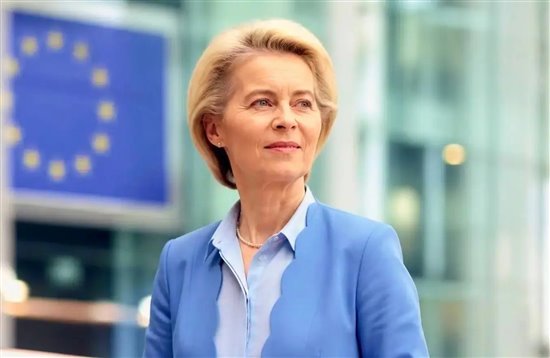
  • Ursula von der Leyen: The Powerful Woman Shaping Europe’s Future

    A photo of Ursula von der Leyen standing confidently in a modern European Union setting.

    Ursula von der Leyen has emerged as one of the most influential women in modern global politics, leading the European Commission with a combination of resilience, strategic clarity, and historic significance.


    As the first woman to hold this office, and recently re‑elected for a second term lasting until 2029, she stands at the center of Europe’s response to some of the most challenging events of the 21st century.


    Her leadership reflects not only political experience but also a deep commitment to the idea of European unity at a time when global instability continues to reshape international relations.


    Her path to power is remarkable. Trained as a physician, von der Leyen transitioned from medicine to politics, rising through Germany’s federal ministries before becoming the country’s first female Minister of Defense.


    This unusual trajectory, from medical practice to high‑level political leadership, has contributed to her reputation as a disciplined, analytical, and determined figure.


    Her long‑standing connection to the Christian Democratic Union and her alignment with former Chancellor Angela Merkel helped shape her political identity, but her influence today extends far beyond national borders.


    Von der Leyen’s presidency has been defined by major policy initiatives that have reshaped the European Union’s priorities. The European Green Deal, one of her flagship projects, aims to make Europe climate‑neutral by 2050 and represents the most ambitious environmental transformation in EU history.


    She also guided the Union through the COVID‑19 pandemic, coordinating vaccine procurement and cross‑border health strategies during a period of unprecedented uncertainty. Her leadership during Russia’s invasion of Ukraine further solidified her role as a central voice for European unity, sanctions, and long‑term security commitments.


    Beyond crisis management, von der Leyen has become a leading advocate for digital regulation and online safety. She has repeatedly warned about the dangers posed by aggressive algorithms, disinformation, and the exploitation of children online, pushing for stronger digital protections across the EU.


    Her speeches often emphasize that Europe must choose “Union” to face global challenges, a message that resonates strongly in an era marked by geopolitical fragmentation and rising authoritarianism.


    Her defense of Greenland: A new front in European Sovereignty


    In recent years, Greenland — a semi‑autonomous territory of Denmark — has become a geopolitical flashpoint due to repeated attempts by U.S. President Donald Trump to assert American control over the island. Von der Leyen responded with unmistakable clarity: Europe stands firmly with Greenland and Denmark.


    During her 2026 visit to Nuuk, she announced a €200 million EU investment package to strengthen Greenland’s infrastructure, education, fisheries, renewable energy, satellite communications, and critical raw materials sectors. She declared that “Greenland can count on the EU”, reaffirming Europe’s commitment to the island’s sovereignty and future.


    Her message was not only economic but deeply political. She emphasized that Greenland’s future belongs to the people of Greenland and Denmark — “no one else.” This stance directly countered Trump’s annexation threats and reinforced the EU’s role as a stabilizing force in the Arctic.


    Von der Leyen’s defense of Greenland also included security cooperation. NATO’s Arctic Shield exercises, involving 10–11 allied nations, coincided with her visit, underscoring Europe’s readiness to protect the region’s strategic interests.


    Her actions positioned Europe as a guardian of Arctic sovereignty, climate stability, and democratic partnership — a role that has elevated her global profile even further.


    Inviting Canada to Join the European Union — A historic proposal


    In her 2026 State of the Union address, von der Leyen made headlines by proposing that Canada become the first associate member of the European Union — a status that does not currently exist under EU treaties.


    Standing alongside Canadian Prime Minister Mark Carney, she argued that Europe must “re‑imagine its partnerships” in a fractured global system. She highlighted the deep alignment between Europe and Canada on climate change, AI governance, Arctic security, democracy, and global trade.


     Her proposal would elevate EU‑Canada relations to their highest level ever, creating new alliances in manufacturing, critical minerals, defense cooperation, and technology.


    Von der Leyen stressed that this partnership was “not against anyone else, but for our common strength.” Her vision reflects a broader strategy: expanding Europe’s circle of democratic allies to reinforce stability in an era of rising geopolitical tension.


    If realized, Canada’s associate membership would mark one of the most significant expansions of European influence in modern history — and it would be credited to von der Leyen’s bold diplomatic imagination.


    A leader redefining Europe’s global role


    Today, Ursula von der Leyen stands as a symbol of European resilience and ambition. She represents the EU at G7, G20, NATO summits, and major diplomatic negotiations, shaping Europe’s global posture with a firm and pragmatic approach.


    Her leadership continues to influence debates on climate, security, digital governance, Arctic sovereignty, and the future of European integration.


    Her defense of Greenland and her invitation to Canada signal a new era in European diplomacy, one defined by strategic alliances, democratic solidarity, and a clear assertion of Europe’s place in the world.


    For many, she embodies the possibility of strong, principled leadership in a world where stability is increasingly difficult to maintain.


    Ursula von der Leyen, EU–Canada partnership, Greenland EU relations, Arctic sovereignty Europe, European Green Deal, features, politics, EU geopolitical strategy, NATO Arctic security


  • 12-09-2026
  • ALS: The silent breakdown of the human body and the search for real solutions

    An illustration showing the human nervous system, highlighting motor neurons affected by ALS, revealing progressive muscle weakness and neurodegeneration.

    Amyotrophic lateral sclerosis (ALS), widely known as Lou Gehrig’s disease, remains one of the most devastating neurodegenerative disorders of our time. It is a fatal condition that gradually destroys the motor neurons responsible for voluntary muscle movement.


    These neurons, located in the brain and spinal cord, are essential for everyday actions such as walking, speaking, swallowing, and breathing. Once they begin to deteriorate, the body slowly loses its ability to function, leading to progressive weakness, muscle twitching, paralysis, and ultimately respiratory failure.


    ALS is classified as a motor neuron disease and presents in two major forms. Sporadic ALS, which accounts for 90 to 95 percent of all cases, appears without any known cause or family history. Familial ALS, representing the remaining 5 to 10 percent, is inherited through specific genetic mutations passed down through families.


    You may also like to read: Nodding Syndrome: The man‑made disease and the deception of science: https://juskosave.blogspot.com/2020/11/nodding-syndrome-man-made-disease.html


    Regardless of the type, the disease follows a relentless path. Symptoms worsen over time, and most patients face significant disability within a few years of diagnosis. Average life expectancy after diagnosis is two to five years, although some individuals live longer depending on progression and available care.


    The early signs of ALS often begin subtly. Patients may notice muscle twitching, stiffness, or weakness in the arms or legs. Over time, these symptoms intensify, making it difficult to walk, lift objects, or perform daily tasks.


    Speech becomes slurred, swallowing becomes challenging, and breathing becomes increasingly difficult as the respiratory muscles weaken. The emotional and psychological burden on patients and families is immense, as the disease strips away independence while leaving the mind fully aware of the body’s decline.


    Despite decades of research, ALS remains incurable. No treatment can reverse the damage once motor neurons begin to die. However, medical science has made progress in slowing the disease’s progression and improving quality of life.


    Medications such as riluzole and edaravone can modestly extend survival or reduce the speed of deterioration. Physical therapy, speech therapy, and respiratory support play crucial roles in maintaining function for as long as possible. Assistive technologies, including mobility devices and communication tools, help patients preserve dignity and autonomy.


    Researchers continue to explore new avenues for treatment, including stem‑cell therapy, gene therapy, and advanced neuroprotective drugs. While none have yet produced a breakthrough, ongoing studies offer hope that future interventions may slow or even halt the progression of ALS.


    Related health article: COVID-19's lingering shadow: Respiratory and cardiac health aftermath: https://juskosave.blogspot.com/2025/12/covid-19s-lingering-shadow-respiratory.html


    Early diagnosis, comprehensive care, and strong support systems remain essential for improving patient outcomes. The search for a solution to ALS is not only a scientific challenge but also a human one. It demands global awareness, increased funding, and a commitment to understanding the complex mechanisms behind neurodegeneration.


    As researchers push forward, patients and families continue to fight with courage, resilience, and hope for a future where ALS is no longer a fatal sentence but a treatable 

  • 08-09-2026
  • After NATO, why does the EU leave Trump in limbo again over Greenland?

    A photo of the European Union headquarters in Brussels with EU flags

    The relationship between the European Union and Donald Trump continues to reveal deep fractures in transatlantic diplomacy. The latest developments show a pattern: when Trump expects support from Europe, the EU responds with caution, independence, and a firm commitment to its own political principles.


    This dynamic has left Trump sitting in limbo more than once, and Greenland has now become the second major disappointment. The first rupture came when Trump called on NATO to assist in the attack on Iran in defense of Israel.


    According to EU officials, Trump launched the operation without informing or consulting them beforehand, a move that violated the alliance’s expectations of coordination and transparency. For the EU, this was not just a procedural failure; it was a breach of trust.


    As a result, European leaders declined to support the operation, leaving Trump isolated at a moment when he expected unified Western backing. Today, the EU has once again made its position unmistakably clear. In the dispute over Greenland, European leaders have stated that they stand firmly behind Denmark.


     Greenland, though geographically distant, remains part of the Kingdom of Denmark, and the EU insists that decisions regarding its future must be made solely by the Danish government. This stance directly counters Trump’s interest in acquiring Greenland, a proposal that had already sparked global debate and diplomatic tension.


    By supporting Denmark’s sovereignty, the EU has delivered a second disappointment to Trump, signaling that Europe will not bend to unilateral American ambitions, especially when they conflict with the principles of territorial integrity and democratic decision‑making.


    The message is simple: the EU will not provide support when Trump bypasses consultation, nor when he challenges the autonomy of its member states. These two episodes reveal a broader shift in global politics.


    The EU is asserting itself as an independent geopolitical actor, unwilling to follow Washington’s lead without alignment in values, process, and strategy. For Trump, this means navigating a Europe that is no longer automatically supportive, but increasingly confident in charting its own course.


    It is time for the United States to recognize that attempting to claim lands, resources, or territories that do not belong to the US, creates anxiety and discomfort across the world.


    Many African nations already struggle against external pressures that hinder their development and expose their resources to exploitation, and the same concerns are shared by developed countries when their sovereignty is challenged.


    The U.S. must give peace and cooperation a chance, because the world is already carrying more than enough suffering.


  • 07-09-2026
  • The human decisions AI must never replace in our rapid tech future:

    An image of a person’s silhouette looking at a bright AI screen, showing the connection between human thinking and artificial intelligence.

    Artificial intelligence has become woven into nearly every aspect of modern life, from healthcare and education to finance, transportation, and communication. As algorithms grow more capable, faster, and more autonomous, a critical question emerges:


    What should humans still control in an AI-powered world? The answer is not simply about limiting machines but about preserving the essential elements of human identity, dignity, and responsibility.


    One of the most important areas humans must continue to guide is ethical decision-making. AI can analyze patterns and predict outcomes, but it cannot feel empathy, understand cultural nuance, or grasp the moral weight of a choice.


    Decisions involving justice, fairness, and human rights must remain firmly in human hands. Machines can support these processes, but they should never replace the moral compass that comes from lived experience.


    Humans must also retain control over creativity and cultural expression. While AI can generate music, art, and literature, it does so by learning from human creations. The spark of originality, the emotional depth, the cultural memory, the personal struggle belong uniquely to people.


    Creativity is not just output; it is identity. Preserving human authorship ensures that culture remains authentic and diverse. Another critical domain is accountability. When AI systems make mistakes, cause harm, or produce biased outcomes, responsibility cannot be assigned to a machine.


    Humans must oversee, audit, and correct AI systems to ensure transparency and fairness. Without human accountability, society risks creating powerful tools with no one to answer for their consequences.


    In addition, humans should maintain control over rights and freedoms. AI-driven surveillance, automated decision-making, and predictive analytics can threaten privacy and autonomy if left unchecked. People must define the boundaries of acceptable use, ensuring that technology enhances life rather than restricts it.


    Finally, humans must guide long-term societal direction. AI can optimize processes, but it cannot envision the future we want to build. Questions about education, employment, governance, and global cooperation require human imagination and values. AI should be a partner, not a ruler, in shaping tomorrow.


    In an AI-powered world, the goal is not to compete with machines but to preserve the human qualities that make life meaningful. By keeping control over ethics, creativity, accountability, rights, and societal vision, humanity ensures that technology remains a tool for progress rather than a force that defines us.

  • 06-09-2026
  • Ethiopia’s ancient written culture and the legacy of its Christian heritage

    Photo: A small bird perched on a blooming flower in the soft morning light, carrying a gentle message of Sunday rest.


    Sundays have always carried a feeling that no other day can replicate: a gentle pause in the rhythm of life, a moment when the world seems to breathe more slowly.


    Even in our fast, digital age, Sunday remains a cultural anchor, a day that reminds us of rest, family, friendship, reflection, and the quiet joy of simply being alive. Yet many people feel that modern life is gradually eroding the meaning of this special day.


    There is a reason Sunday feels different. The streets are quieter, the pace softer, and the atmosphere calmer. For generations, Sunday was the day when families gathered around a shared meal, neighbors visited each other, and communities reconnected.


    It was a day shaped by tradition, church in the morning, family food in the afternoon, and peaceful reflection in the evening. That rhythm created a sense of belonging that defined childhoods and strengthened families.


    But the tradition of the Sunday family meal is disappearing. Work schedules, digital distractions, and modern lifestyles have made it harder for families to sit together at the same table. What used to be a weekly ritual, cooking, sharing stories, laughing, and eating, has become rare.


    Many people now spend their Sundays looking at screens instead of faces. Phones, tablets, and televisions have replaced conversations, and the quiet joy of simply being together is fading. Sunday walks, markets, parks, and long conversations were once part of the day’s charm.


    People strolled without rushing, visited local markets, or sat under trees reflecting on life. These simple activities helped clear the mind and restore emotional balance. Today, many people feel too tired, too busy, or too distracted to enjoy these moments.


    The world has become louder, and Sunday’s gentle silence is harder to find. The psychological value of having one slower day is immense. Humans are not built for constant speed. We need pauses, stillness, and time to reset.


    Sunday provides that reset, a moment to breathe, to think, and to prepare for the week ahead. Without it, stress accumulates, relationships weaken, and life begins to feel like an endless race.


    Yet not everyone experiences Sunday as peaceful. Some people feel “Sunday anxiety,” a sense of unease that arrives as the weekend ends. It is the feeling of unfinished tasks, upcoming responsibilities, or the pressure of Monday.


    This anxiety is becoming more common as modern life becomes more demanding. But even this discomfort shows why Sunday matters: it forces us to confront our pace, our priorities, and our need for balance.


    Different cultures spend Sundays in different ways. In Ghana, Sunday is often filled with church, family meals, and rest. In Europe, it is a day for quiet streets, closed shops, and long walks. In Japan, it is a day for family outings, parks, and reflection.


    Across the world, Sunday has always been a cultural anchor, a reminder that life is not only about work, but also about connection and renewal. What happened to the leisurely Sunday afternoon? The one where people sat outside, listened to music, read newspapers, or simply enjoyed the breeze?


    It still exists, but it competes with technology, deadlines, and the constant pull of digital life. The challenge today is not to abandon technology, but to reclaim Sunday without disconnecting completely. It is about choosing presence over distraction, conversation over scrolling, and rest over rush.


    We still need a day that belongs to us, a day that reminds us to slow down, reconnect, and breathe. Sunday is not just a day on the calendar; it is a feeling, a tradition, and a gentle reminder that life is richer when we pause long enough to appreciate it.