
 Bliv gratis medlem

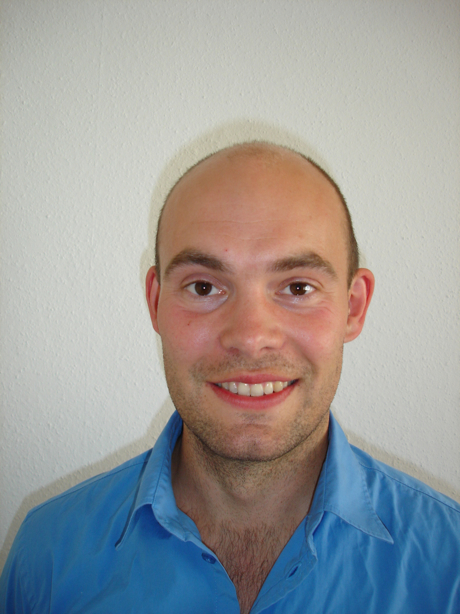
We continue our rotating Startupbootcamp blog series. This entry is by Johan Frederik Schjødt, Co-founder of AutoUncle.
For many entrepreneurs, the idea and the urge to create something comes before the money logic. But without a clear business model, the startup will be hard to separate from a hobby.
I work on a startup called AutoUncle together with my brother Niels Kristian and right now we are stuck in this money logic problematic. AutoUncle is a new service that will make it possible for ordinary buyers of used cars to quickly identify the most attractively priced cars in the used car market. We believe this a great product that adds value for car buyers but we are now asking ourselves the classic if-then-how question of the business model: if we help people save money on buying a used car – will they be willing to pay? How much will they pay? And how should we charge them?
At Startupbootcamp, we meet a new mentor every day. So with the money logic question in mind, it was great to meet Michael Jackson, who took a break from his holiday to share his experience in crafting business models in web-based startups. Michael Jackson is a former VP at Skype and he was responsible for implementing Skype’s business model. Today, Michael is partner at Mangrove Capital Partners.
The key take-away from Michal today was >> People are prepared to pay, so don’t be afraid to charge them<< Michael’s point is that as long as you make sure that your product is so strong that it will create a following, you should not be too worried about pricing. With this encouraging comment in mind, Michael’s comparison of business models became even more interesting.
4 popular business models
The classic ad-based model known from news sites is viable in many instances. But as Michael pointed out, you have to carefully work through the math before you pick this option i.e. conversion rates in both relative and absolute numbers. It is not interesting for a restaurant to advertise on your site if you have a very high conversion rate but only very few visitors and vice versa.
Another model – the well known ‘freemium’ applied by for instance AVG antivirus also has its problems. If the basic product you give away for free is associated with high variable costs, you will need a lot of paying customers to pay for the non-paying customers.
A bronze-silver-gold model is a third option. On the face of it the idea is clear, but often it is clearer to the company than its customers. As Michael explained, customers know very little about your company and therefore it is often difficult for them to understand the difference between buying bronze and silver – especially if the differences are on a technical specification level – say for instance 15 GB and upload 20 M/bit versus 20 GB and 22 M/bit. If you want to use this model, Michael advised that you distinguish between bronze, silver and gold on an outcome level, that is, what does it mean for the customer?
The fourth and last option Michael talked about was a ‘trial’-model where you offer your product for free in a limited period. This allows you to get people hooked and you control people’s expectations so that they will not be too surprised when you start charging them. However, there is the risk that people will be bored during the trial period and end up not paying for your product.
Use a fake badge on your site to gauge the willingness to pay
Following this tour-de-force in business models, I began to think about how to get closer to what model to choose for AutoUncle. Here Michael shared a nice little trick with us. You simply construct your site and add badge with a price on it and then you measure how many people click the badge. You can always show a page, which says ‘sorry site under construction’.
Armed with these inputs, my brother and I will continue to refine and discuss our business model – but we would appreciate your input. I am sure many of you have been in the exact same situation as us, wondering how you are going to extract value from your great product. So please share your experiences with us and tells us whether and how you think people would be willing to pay us for finding the best buys in the used car market.


 Opret bruger